
Drinkable rose water benefits skin hydration and anti-aging; experts say its antioxidants and vitamins offer gentle, soothing support.
I first discovered drinkable rose water in a tiny Lebanese cafe in 2026, when a friend handed me a warm glass of white tea—hot water with a generous splash of rose water. One sip, and I felt like I had stepped into a garden after rain. I had always known rose water as a facial mist or a fancy ingredient in perfume. But drinking it? That felt new, even though the tradition is thousands of years old. According to naturopathic doctor Gabrielle Francis, ND, the edible and oral consumption of rose water goes back millennia, originally for flavor in Persia, then India and Europe. Today, in 2026, I see it in smoothies, iced teas, and even coffee. And after a month of sipping one glass a day, I understood why people call it a beauty beverage.
What Is Actually in Rose Water?
Natasha Sandy, MD, explains that nutritionally, rose water contains vitamins A, B, C, and E, plus flavonoids and other antioxidants. That sounds like a skincare serum in liquid form. But I had to remind myself: scientific evidence is still limited. Most of what we know comes from tradition and anecdotal reports, not large clinical trials. Still, the side effects of drinking rose water are negligible for most people, so I decided to experiment carefully. I made sure to use food-grade rose water, not the synthetic kind with added sugar or chemicals.
The Benefits I Noticed—and What Experts Say
| Benefit | What I experienced | Expert insight |
|---|---|---|
| Reduced inflammation | My cheeks looked calmer after a week. | Ildi Pekar says rose water is a great anti-inflammatory for acne, rosacea, eczema, dermatitis, and redness. Francis points to terpenes and glycosides. |
| Deep hydration | My skin felt plumper, less tight. | Francis says rose water plumps skin because it helps restore water and fluids in dry skin. |
| Anti-aging support | Fine lines seemed softer, though I know that is subjective. | Francis says antioxidants like vitamin C, E, and flavonoids can help reduce wrinkles and age spots. Pekar notes ancient Egyptian women used rose water to tighten pores. |
| Sore throat soothing | A warm glass felt comforting when I had a cold. | There are no quantitative studies, but centuries of traditional use support it as a remedy. |
| Digestion aid | Heavy meals felt easier to handle. | Some studies suggest rose essence can help digestion, but only real rose essence and oils count. |
| Headache relief | The aroma alone relaxed my tension. | Use it in a diffuser or cold compress. Breathe in and let the day melt away. |
I want to be honest: dermatologists caution that there is no evidence that drinking rose water improves skin diseases like acne or eczema. So I treat it as a gentle companion, not a miracle cure. For me, the ritual matters as much as the chemistry. I pour a glass, smell the petals, and slow down.
How I Make My Own Drinkable Rose Water
Francis shared a recipe that I now use weekly. It is simple, and it makes me feel connected to something ancient.
-
Remove petals from a fresh rose. Clean them with a fruit or vegetable wash to remove pesticides and insects.
-
Put several petals in a glass jar of water.
-
Let them steep in the sun for six hours. This creates a gentle rose water that is good to drink.
-
Drink one glass per day. Francis says maximum benefits can be noticed in one week.
-
Refrigerate and use within one week if you make it yourself, according to Pekar.
If you buy rose water, Sandy says to watch for added sugar and how much is added. I always choose organic when possible. Damask, Gallic (French), and Rugosa (beach) roses are popular varieties, and each tastes a little different. I prefer Damask for its deep perfume.
A Few Cautions Before You Sip
-
Allergies to rose water are rare, but they can cause skin irritation when applied topically. Do a patch test first.
-
If you drink it, stick to all-natural versus synthetic. Synthetic versions may contain chemicals.
-
Do not drink more than the daily recommended glass.
-
If you are pregnant, nursing, or taking medication, talk to your doctor first.
Beyond the Glass: Hair and Scalp
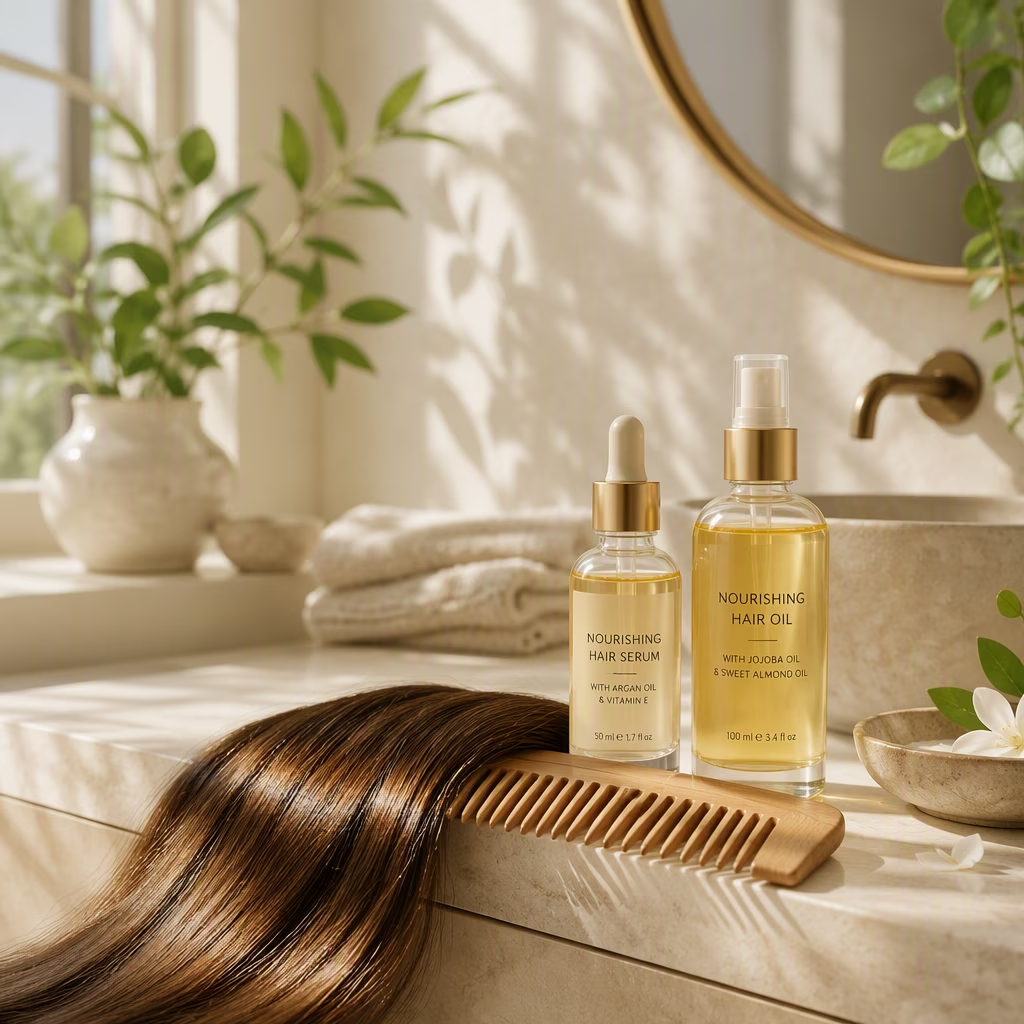
I also tried rose water as a hair rinse. Some anecdotal evidence says it may reduce frizz and improve shine, and its anti-inflammatory properties might help with dandruff, eczema, or psoriasis on the scalp. I gently massaged it in and rinsed. My hair felt soft, but I know more studies are needed. I will keep using it as an occasional treat, not a treatment.
My 2026 Rose Water Ritual
These days, my morning starts with a glass of water infused with a teaspoon of rose water. Sometimes I add it to iced tea. Sometimes I just breathe in the steam. In Lebanon, white tea is hot water with rose water—simple, elegant, and now part of my life. I have seen people drink rose water in Greece, Lebanon, Syria, Egypt, Morocco, and India. It is a global ritual, not a trend.
Would I recommend it? Yes, with realistic expectations. It hydrates, it smells divine, and it makes me feel like I am caring for myself from the inside out. But it is not a replacement for dermatologist-prescribed treatments or a balanced diet. Think of it as a small, fragrant pause in a busy day. And in 2026, who could not use more of that?
Now, if you will excuse me, my glass is waiting.